The safest way to learn how to shut off water during a plumbing leak emergency is to protect people first. Close the nearest fixture valve or main shut-off valve from a dry place. Keep away from electricity, open a safe faucet to lower pressure, and call a licensed plumber when water keeps spreading or a valve fails.
Table of Contents
- What should you do first during a plumbing leak emergency?
- Where is the main water shut-off valve located?
- How do you shut off the main water supply?
- When should you use a fixture shut-off valve instead?
- How can you relieve pressure after shutting off the water?
- What should you do if you cannot find or operate the shut-off valve?
- How do you handle electrical and water damage risks?
- What plumbing leaks require immediate professional repair?
- What happens after the water has been shut off?
- How can you prepare for a future plumbing leak emergency?
- Frequently Asked Questions
What should you do first during a plumbing leak emergency?
Protect people and pets before trying to save items. Move everyone away from standing water, slippery floors, and falling ceiling material. Do not touch electrical items while standing in water. A leak under a sink may be easy to control, but water near an outlet needs great care.
Protect people, belongings, and electrical areas
Keep children and pets out of the wet room. Move small items to a dry place only when the path is safe. Buckets and towels can help with a small leak when no electrical danger exists. Never climb into deep water or touch a wet appliance.
Leave the area if water is near outlets, panels, appliances, or light fixtures. Turn off the electrical panel only from a dry place. If you must cross water to reach it, leave the property and call the electric utility or emergency services.
Confirm whether the leak is active and worsening
Look for the source without opening walls or lifting flooring. Water may come from a supply pipe, drain, water heater, toilet, appliance, or roof. A supply leak often continues when the fixture is off. A drain leak often appears only while water runs.
Take a quick photo or video from a dry location. This may help a plumber understand the issue. Hendersonville Plumber helps property owners when a leak is hard to trace or water damage is spreading.
Where is the main water shut-off valve located?
The main shut-off valve controls water entering the property. It is often close to the point where the service pipe enters the building. Common places include a basement, crawl space, garage, utility room, mechanical room, or outside wall near the meter.
Common indoor and outdoor valve locations
In cold areas, the valve is often indoors to help prevent freezing. In warmer areas, it may sit near an outside meter box or exterior wall. Multi-unit buildings may have one valve for each unit and another for the whole building. Commercial sites may have several valves for different areas.
The valve may be behind a small panel. Never enter a locked utility room without permission. Tenants should ask the landlord or property manager about the valve before an emergency starts.
How to identify the main shut-off valve
The main valve sits on the pipe before water reaches the rest of the building. A gate valve has a round wheel. A ball valve has a lever. The main valve is not the small valve under a sink or behind a toilet.
Do not confuse it with a pressure regulator, drain valve, or outdoor hose connection. A pressure regulator helps control water pressure. If you are unsure, a licensed plumber can find and label the right valve. Knowing its location can save time during a burst pipe emergency.
How do you shut off the main water supply?
Turn the valve clockwise until it stops, but do not force it. A gate valve may need several turns. A ball valve normally closes when the handle crosses the pipe. Open a faucet after closing it to check whether the flow slows and stops.
Turning a gate valve or ball valve
Use these steps when the valve is easy to reach and the floor is dry:
- Stand on a dry surface with a clear path to safety.
- Turn a round gate valve clockwise by hand until it stops.
- Move a ball valve handle across the pipe.
- Open a nearby cold-water faucet to check the flow.
- Watch the leak for several minutes to see if it slows.
Some water may remain in the pipes. It can continue to drain after the supply closes. The flow should not keep building or stay at full strength.
What to do when the valve will not turn
Do not use a wrench on a stuck valve. Extra force can break the valve or nearby pipe. Do not heat the valve, hit it, or spray an unknown product on it.
Call a licensed plumber if the valve drips, cracks, or will not close. Hendersonville Plumber supports leak detection and pipe repair across Hendersonville, including Downtown Hendersonville, Laurel Park, Flat Rock, Fletcher, Mills River, and Etowah. A professional can isolate the system and replace a failed valve safely.
When should you use a fixture shut-off valve instead?
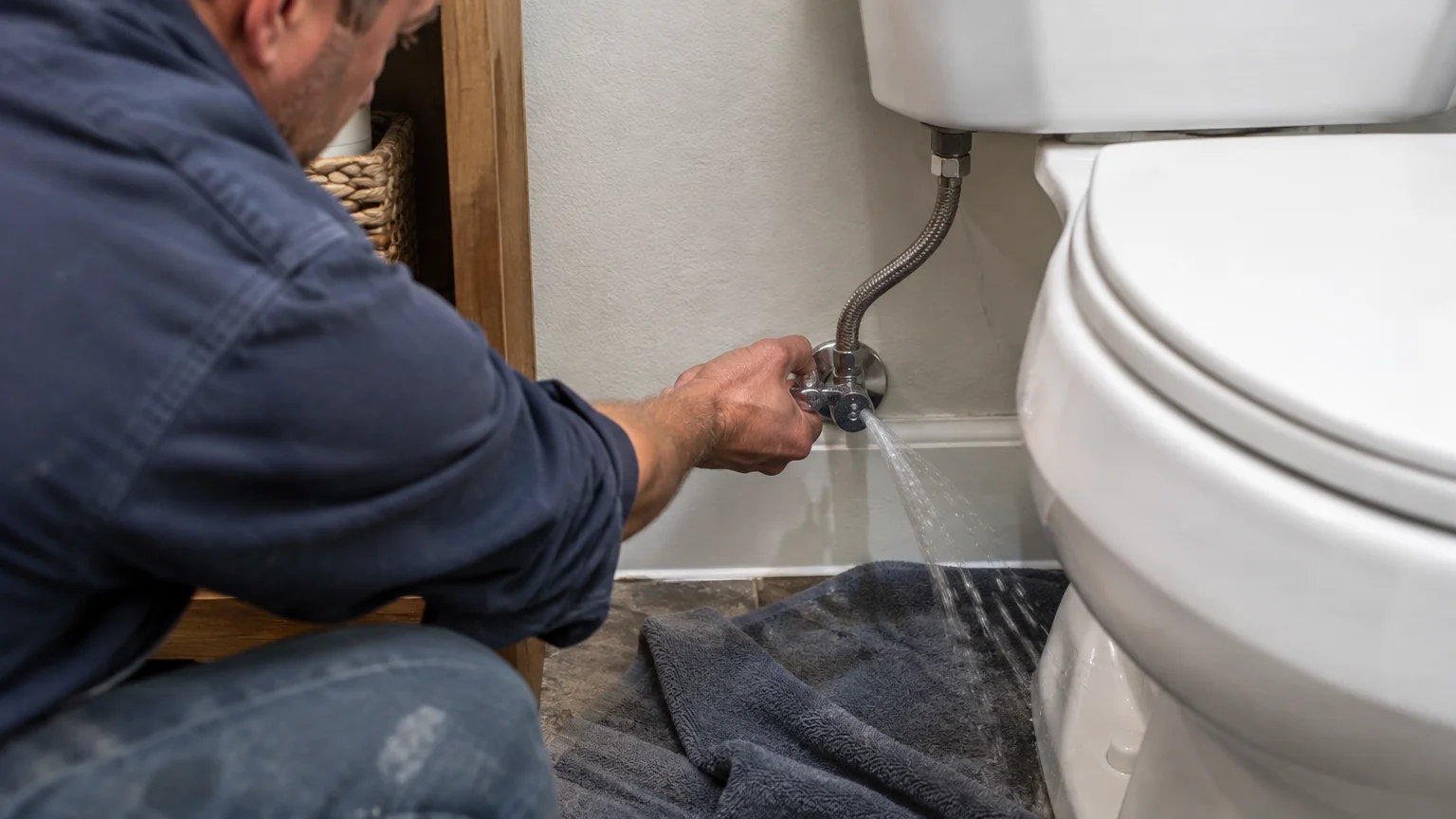
Use a fixture valve when one item is leaking and the valve is easy to reach. This limits the water shut-off to one fixture. It may leave sinks, toilets, and other areas available. This method often works for toilets, sinks, dishwashers, washing machines, and some water heaters.
Toilet, sink, appliance, and water heater valves
A toilet valve is usually on the wall below the tank. A sink valve sits under the cabinet. Appliance valves may be behind or beside the appliance. Water heater valves are near the cold-water pipe entering the tank or unit.
Turn a handle clockwise, or move a lever across the pipe. Then stop using the fixture. If a toilet supply line sprays, close that valve first. If water continues, close the main supply when it is safe.
How to isolate a leak without shutting off the whole property
Isolation works when one fixture is clearly causing the leak. It keeps other sinks and toilets in use. A fixture valve cannot stop water from a hidden pipe inside a wall or floor.
For a leaking water heater, close the cold-water inlet valve. Turn off its energy source only when the instructions allow it. Gas equipment needs extra care. If there is a gas smell, leave at once and contact the gas utility or emergency services. Do not use switches or flames.
How can you relieve pressure after shutting off the water?
Opening a safe faucet after closing the supply releases water held in the pipes. This may lower pressure at the leak and drain some trapped water. It will not remove water from walls, ceilings, insulation, or floors.
Opening faucets and flushing toilets safely
Open the cold faucet closest to the leak when the area is dry. A lower-level faucet may help drain water from upper pipes. Flush a toilet only when its supply is closed and the bowl is not overflowing.
Do not open a faucet near exposed electrical equipment. Do not use hot water if the water heater may be empty while its energy source remains on. A plumber can explain the safest next step when the system is unclear.
Why pressure relief helps limit ongoing leakage
Water inside a pressurized pipe may keep escaping after the main valve closes. Draining a small amount can slow the flow. It may also make later work safer by reducing movement through the damaged pipe.
Pressure relief is not a repair. A cracked pipe, bad connector, or hidden leak still needs inspection. Drying the water without fixing the source can lead to mold, rot, and damage to the building.
What should you do if you cannot find or operate the shut-off valve?
Check building plans, the meter area, the utility room, or landlord records. Tenants should contact the property manager. The local water utility may explain where its public-side valve is located.
Handling stuck, damaged, or inaccessible valves
Never force a rusty valve. A stuck handle may break the stem and cause a larger leak. Do not remove a meter cover unless the utility permits it. Keep people away from flooded crawl spaces, pits, and rooms with damaged ceilings.
If water rises quickly, leave the area. Move only items that can be reached safely. A plumber may need to shut off water at another point. Commercial sites may also need a facilities manager to isolate separate areas.
When to contact the water utility or an emergency plumber
Contact the water utility when the problem may involve the public supply or meter. Contact an emergency plumber when water enters the building, a private valve fails, or a pipe bursts. Emergency plumbing help is also needed when the source stays hidden.
Hendersonville Plumber serves homes, businesses, and nearby properties. A qualified plumber can find the shut-off point, locate the leak, and explain the safest repair plan.
How do you handle electrical and water damage risks?
Water and electricity can cause a serious shock. Treat a wet floor near an outlet, panel, appliance, or extension cord as unsafe. Do not cross it to reach a switch or unplug equipment.
When it is unsafe to enter a wet area
Leave when water is deep, fast, dirty, or near electrical equipment. Leave when a ceiling bulges, flooring moves, or sewage enters the property. Call emergency services if someone is hurt, trapped, or in immediate danger.
Do not use a vacuum, fan, heater, or pump until a qualified person says it is safe. Never touch a fallen wire or damaged gas appliance. These steps help protect people while the leak is controlled.
Documenting damage and protecting contents
Take photos from a dry place. Record when the leak began, where water appeared, and which valves you closed. Keep damaged items if an insurance claim may be needed, but do not handle dirty materials without proper protection.
Remove clean items only when the path is dry. Dry surfaces with approved equipment after the source is repaired. Hidden moisture may remain behind cabinets, walls, and flooring, so a full inspection is important.
What plumbing leaks require immediate professional repair?
A burst pipe, hidden leak, sewer backup, or fast-moving stream needs prompt repair. A small drip can also become urgent when it reaches electrical systems, structural materials, or finished rooms.
Burst pipes, concealed leaks, and rapidly spreading water
A burst pipe may release water under strong pressure. It can damage walls and ceilings quickly. A hidden leak may cause stains, damp smells, peeling paint, warm floor areas, or unexplained water use. These signs need more than surface drying.
Do not cut into a wall unless the area is safe and the repair plan is clear. A plumber can use leak detection tools to narrow the source before opening finished materials. This may limit needless damage.
Water heater, sewer, and gas-related warning signs
A leaking water heater can harm nearby floors and walls. A sewer leak can carry harmful waste and should not be cleaned like fresh water. A gas smell near a water heater or gas line requires immediate evacuation and contact with the gas utility or emergency services.
Do not relight gas equipment after a leak unless the maker and a qualified professional say it is safe. Hendersonville Plumber can handle private plumbing leaks, but gas emergencies must follow utility and emergency guidance first.
What happens after the water has been shut off?
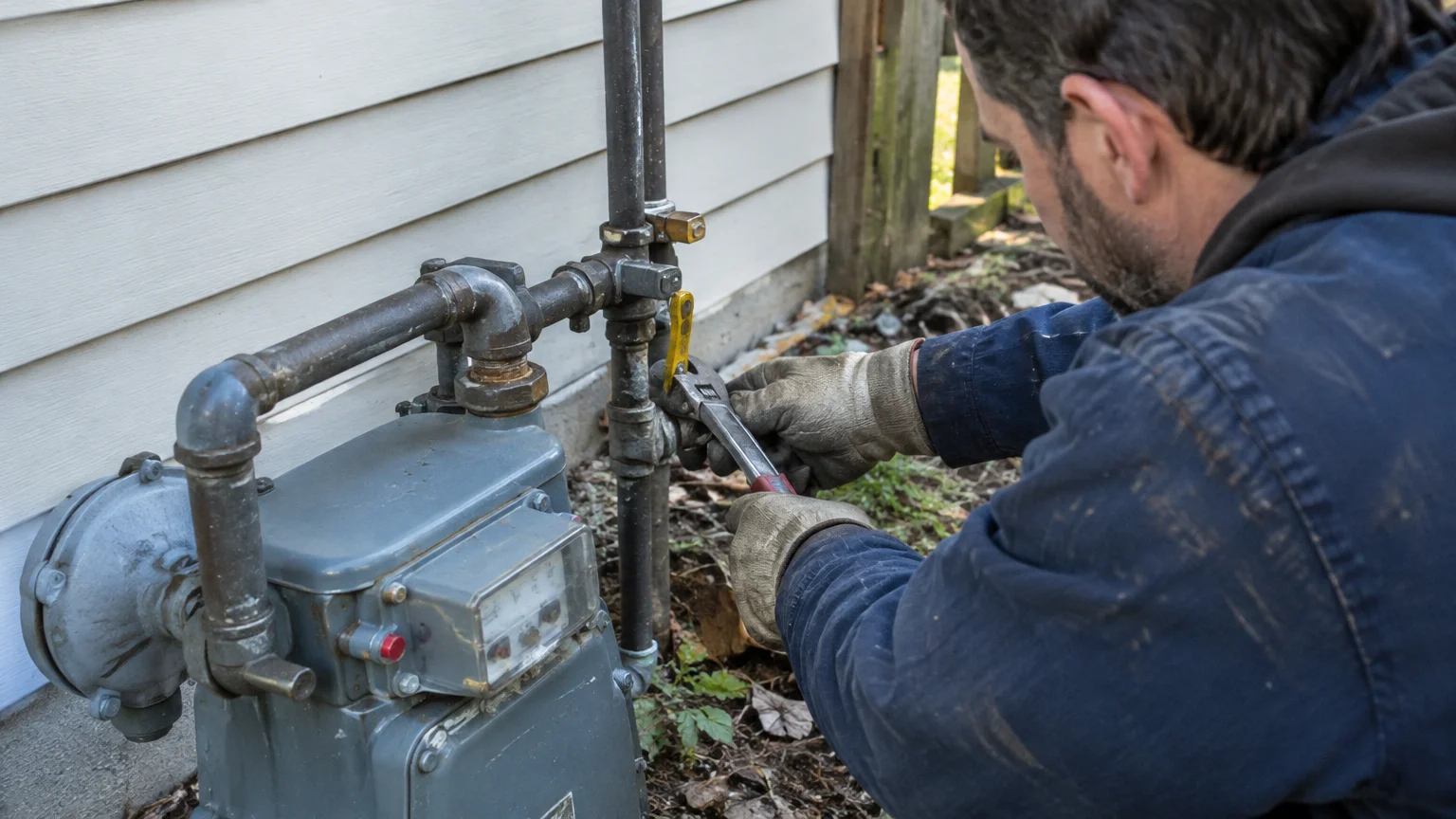
After shut-off, find the source and check the damage. A plumber may inspect pipes, fixtures, valves, walls, ceilings, and equipment. The repair may involve a fitting, pipe, connector, or small opened area around a hidden leak.
Inspection, leak detection, and pipe repair options
Leak detection means finding where unwanted water starts. It may include pressure checks, moisture readings, visual checks, or other tools. The best method depends on the pipe, location, access, and signs of damage.
A good repair fixes the failed part and looks at why it failed. Corrosion, freezing, movement, poor connections, and age can affect the right choice. Hendersonville Plumber can help property owners decide between a focused repair and wider pipe work.
Drying affected areas and preventing secondary damage
Begin drying after the source is controlled. Remove standing water safely and improve air movement when power is safe. Check cabinets, baseboards, insulation, and floors. Porous materials may hold water below the surface.
Watch for musty smells, stains, swelling, and peeling finishes. Prompt water damage control may limit later problems. Insurance providers may also ask for photos, records, and prompt notice.
How can you prepare for a future plumbing leak emergency?
Preparation makes a leak easier to control. Every home, rental, and business should know where its main valve is located. Keep the valve clear and mark it plainly.
Labeling valves and testing them safely
Ask a plumber to label the main valve and key fixture valves. Test a valve only when the area is dry and the system is stable. Turn each handle gently and return it to its normal position unless a professional advises replacement.
Keep a flashlight, gloves, towels, and bucket in an easy-to-reach place. Make sure adults know the emergency plan. Tenants should keep the landlord and property manager contact process handy.
Maintenance steps for homes, rentals, and commercial properties
Regular checks can find problems before a major leak. Look under sinks, around toilets, near water heaters, and beside appliances. Watch for rust, damp cabinets, stains, slow drains, and sudden changes in water pressure.
Useful preparation includes:
- Keep the main shut-off area clear and labeled.
- Check visible supply lines for wear or swelling.
- Replace damaged washers, hoses, and connectors promptly.
- Know which fixtures have local shut-off valves.
- Keep records of repairs and repeated leak signs.
- Arrange professional inspection when the source remains unclear.
Key takeaways
- Protect people before touching valves or moving belongings.
- Use a fixture valve when one fixture is leaking.
- Close the main valve when water spreads or the source is unclear.
- Never enter standing water near electrical equipment.
- Get professional help for burst, hidden, sewer, gas-related, or fast leaks.
Frequently Asked Questions
How do you find a water leak in a house?
Check visible pipes, cabinets, toilets, water heaters, appliances, ceilings, and floors. Look for damp spots, stains, peeling paint, musty smells, or unexplained water. If the source is not visible, a licensed plumber can use leak detection methods to find hidden water.
What should someone do if a pipe bursts in the home?
Move people away from the water. Close the nearest fixture valve or main valve if safe. Avoid wet electrical areas and do not force a stuck valve. Open a safe faucet to reduce pressure, then contact a plumber for emergency plumbing and water damage help.
How can a homeowner check for water leaks?
Inspect exposed pipes, toilets, faucets, water heaters, appliance hoses, and cabinets. Watch for damp marks, mold-like smells, or changes in water pressure. These checks are safe when the area is dry. Hidden or active leaks need professional inspection.
Should the main water valve be turned off during every leak?
No. A small fixture leak may stop when its local valve closes. Use the main valve when the source is unclear, water is spreading, or a fixture valve fails. The safest choice depends on access, electrical risk, and leak speed.
How long can a property stay without water after a shut-off?
It depends on the property, weather, occupants, and repair needed. Keep the water off until the source is inspected and controlled. A plumber can confirm whether part of the system may safely reopen during repair.
Conclusion
Knowing how to shut off water during a plumbing leak emergency can limit damage and give a plumber a safer start. Protect people first, use the nearest safe valve, avoid electrical hazards, and record what happened. Contact us today to arrange leak detection, emergency plumbing, or pipe repair support from Hendersonville Plumber across Hendersonville and nearby communities.