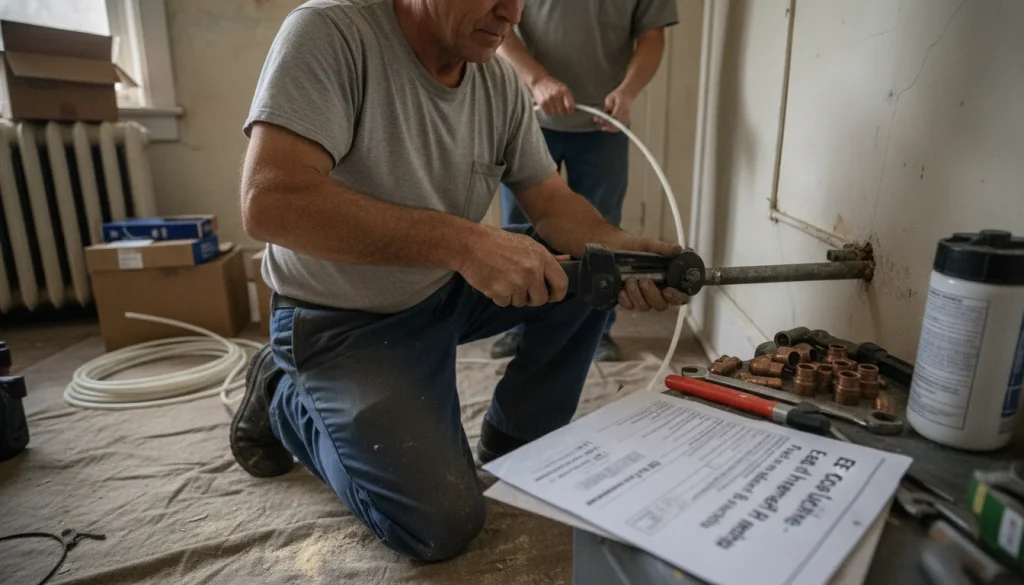
A ceiling stain appears overnight, a floor feels oddly warm, or a water bill surges without warning—these are the moments when owners in Hendersonville ask the big question: repiping vs spot repairs, which is right for this property? Direct answer: repiping replaces most or all water supply lines to address system-wide risks, while a spot repair targets one leak or failed section; the best choice turns on pipe age, leak history, water chemistry, access, and how much disruption you can tolerate. In simple terms, repiping aims for long-term stability across the system; a single repair aims for a fast, localized fix.
Key Takeaways
- Repiping replaces aging or failure-prone lines across the property for long-term reliability; spot repairs fix isolated faults quickly.
- Decide based on age and material of the pipes, frequency and location of leaks, water quality, and access constraints in Hendersonville homes and buildings.
- Consider lifetime costs: repeat openings, water damage risk, and downtime can outweigh a low upfront repair.
- Match materials to code and water chemistry, and plan work around remodels to reduce disruption.
- Use professional diagnostics—acoustic listening, thermal imaging, and pressure testing—before committing to a path.
Hendersonville Plumber works across Hendersonville every week, helping owners compare practical options. This guide walks through signs, diagnostic tools, code considerations, timelines, and the long-view economics so you can choose confidently for properties in North Carolina and around the Hendersonville area.
Table of Contents
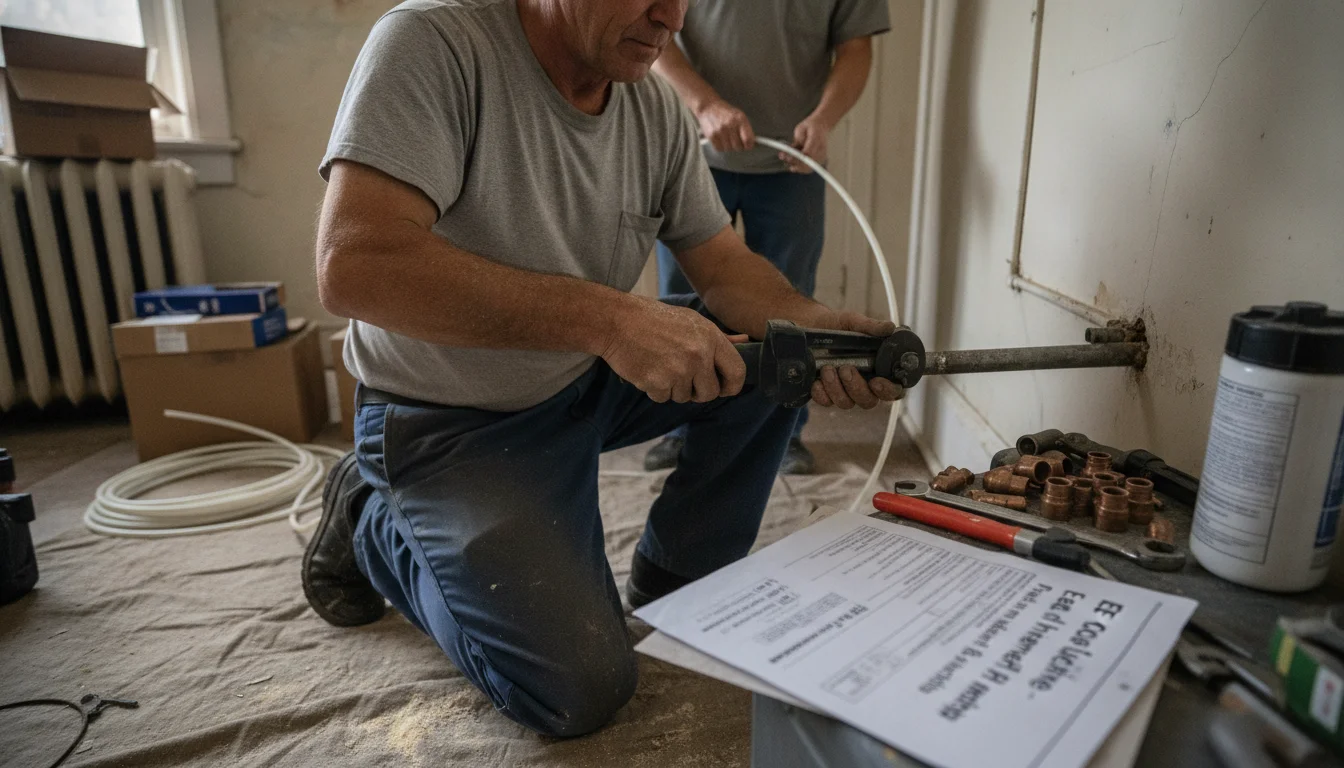
- Repiping vs spot repairs: what each option really means
- Warning signs and diagnostics before you decide
- Costs that matter: upfront vs lifetime total cost of ownership
- Materials, code compliance, and expected lifespan
- Decision framework: when repiping wins and when repairs make-sense
- Project logistics, timelines, and level of disruption
- Insurance, warranties, financing, and ROI
Repiping vs spot repairs: what each option really means
A repipe is the planned replacement of supply piping across a home or building. It typically includes new shut-offs, supply lines to fixtures, and correct supports. Crews open small wall or ceiling areas, route new lines, and cap or remove old ones. The outcome is a refreshed system with steadier pressure and cleaner water.
A spot repair is a targeted fix at one failure. A plumber exposes the area, removes the damaged pipe or fitting, and installs new parts—often a short run of pipe, a coupling, or a valve. The aim is to stop one fault quickly with limited access work.
Both approaches use licensed methods and code-approved materials. The core difference is scope: repiping tackles system-wide age or material vulnerabilities, while a repair addresses one break, pinhole, or loose joint. If leaks keep emerging, one-off fixes may only postpone the next call.
For many owners in Hendersonville, the decision intersects with daily life. Can you handle repeated visits for new issues, or is one planned project better? Hendersonville Plumber can outline pros and cons tailored to your layout, fixtures, and water needs.
What a full repipe includes
A full repipe starts with mapping the system, planning routes, and protecting finishes. Crews set dust control, shut off water in planned windows, and open access points. They run new lines, pressure-test, sanitize, and restore surfaces. Expect updated angle stops, supply tubes, and proper supports. Old galvanized or thinning copper is taken out of service.
What counts as a spot repair
Common repairs include fixing a pinhole, replacing a compromised section under a slab by rerouting overhead, or swapping a failed valve. Limits appear when leaks recur, pipe walls thin, or corrosion spreads. In those cases, more patches can compound risk and disruption over time.
Warning signs and diagnostics before you decide
Plumbing often signals trouble ahead of a failure. Watch for rusty or green deposits on fittings, frequent pinholes, or damp drywall. Sudden pressure dips, cloudy or metallic-tasting water, and inconsistent hot/cold delivery also suggest problems. Age matters. Older galvanized lines constrict with internal corrosion. Copper can pit from water chemistry or excessive velocity.
Leak patterns tell a story. One isolated leak near a water heater can be localized heat stress; multiple leaks across rooms often point to systemic age or chemistry issues. Slab leaks may show up as warm floor spots, a spinning meter with fixtures off, or swelling at baseboards.
Pros verify hidden issues using modern tools. Acoustic leak detection listens for pressurized escapes. Thermal imaging maps hot line locations and damp areas in walls. Pressure testing confirms tightness at set levels before close-up. Dye and moisture meters help trace stains on ceilings and floors.
For water quality, licensed plumbers can review city reports and test at the tap. If you have concerns about lead in service lines or fixtures, follow state and federal rules and guidance from the EPA on lead and copper in drinking water, which explains testing and risk control steps (EPA Lead and Copper Rule).
If you face an active break, use Emergency Plumbing right away. Shut off the main, open low taps to drain, and keep people clear of wet areas. For standing water or a constantly spinning meter, Leaks & Burst Pipes is the right service.
How pros verify problems
- Acoustic listening: Finds pressurized leaks behind finishes.
- Thermal imaging: Maps hot lines and damp zones.
- Pressure testing: Confirms tightness before closing walls.
- Endoscopic cameras: Inspect accessible chases and voids.
- Water tests: Check pH, hardness, and metals that drive corrosion.
Costs that matter: upfront vs lifetime total cost of ownership
Total cost of ownership captures the full expense over the life of your choice. For plumbing, that includes the first repair, any repeat calls, possible damage from future leaks, and time lost during work. It also covers finish repairs, access needs, and code-driven upgrades.
A single localized fix usually costs less upfront than a whole-home repipe. However, the long view can flip that math if leaks keep coming. Multiple service visits, drywall openings, repainting, and stretches without water add up. A planned repipe consolidates access, testing, and restoration into one organized effort.
Think beyond this week’s invoice—consider the next five to ten years. Do the pipe age and material point to more failures soon? Are you planning a remodel that will open walls anyway? Coordinating work can reduce disruption and redundant build-back.
Hidden costs matter, too. Water damage can impact framing, floors, cabinets, and insulation. Mold growth can force removal of wet materials and added cleaning under containment per industry standards like those referenced by the IICRC S500 water damage guidance (IICRC S500 Overview). Commercial settings face downtime risk, lost revenue, and tenant impact.
When you compare repiping vs spot repairs, tally the soft costs as well. Time off work, moving furniture, and living with one bathroom vs two all change the lived cost of a plan in Hendersonville and nearby neighborhoods.
What to consider beyond the invoice
- Damage risk: One leak in a kitchen can touch many finishes.
- Repeat access: Patching the same wall over and over grows tiresome.
- Scheduling: One planned window vs many urgent visits.
- Insurance: Review limits on gradual leaks before you decide.
Materials, code compliance, and expected lifespan
Pipe materials shape lifespan and performance. Copper is durable and time-tested. It resists UV and heat, and looks clean in exposed runs. It can pit in aggressive water and requires skilled soldering. PEX is a flexible plastic that can curve through tight spaces with fewer fittings, reducing potential leak points, and it tolerates freeze expansion better than rigid pipe. It must be protected from sunlight and heat sources.
CPVC is a rigid plastic rated for hot water. It uses solvent welding and resists corrosion, but can become brittle if stressed and must be correctly supported. Old galvanized steel corrodes inside, reducing flow and staining water. These lines often call for full replacement rather than patching.
Local code governs materials, supports, valves, and testing. Most areas of the United States adopt versions of the International Plumbing Code or Uniform Plumbing Code. Your plumber will pull permits, run pressure tests, and install proper shut-offs and hammer arrestors where required. Manufacturers also publish installation guides and warranty terms.
Water chemistry and pressure matter. High static pressure strains joints and valves, sometimes requiring a pressure-reducing valve to keep levels in range. Aggressive water chemistry can accelerate corrosion or pitting. Pros can test and recommend the best approach for your block, building age, and typical use in Hendersonville.
For lead risks in older homes, refer to EPA guidance on lead in homes and plumbing components. This explains fixture choices, filters, and replacement steps (EPA Lead in Homes). Always choose third-party listed materials and follow code.
Expected service life at a glance
- Copper: Long life with proper sizing and chemistry.
- PEX: Long life; fewer fittings reduce leak points.
- CPVC: Solid option where allowed; protect from impact.
- Galvanized: Near end of life in many older homes.
Decision framework: when repiping wins and when repairs make sense
Start with age and failure rate. If your home has multiple leaks within a short period, a repipe often makes more sense than more patches. If lines are newer and the failure is tied to one event or fitting, a spot repair can solve it. Match the fix to the cause, not just the symptom.
Consider timing. If you plan a kitchen or bath remodel, add a repipe to that scope—walls will open anyway. That minimizes repeated dust and finish work. If you just remodeled and one valve failed, a careful localized fix could protect the new finishes.
For families, water access matters. A repipe can be staged so at least one bathroom remains usable most of the day. Repairs tend to be faster, but frequent visits still disrupt meals and showers. The right plan balances speed with long-term peace of mind.
Commercial and multifamily properties face different math. Leaks affect many users, and downtime can mean lost income, rent credits, or compliance issues. A planned repipe during low-use windows can reduce risk. Spot repairs remain practical for isolated fixtures, like a single unit’s angle stop or a mechanical room valve.
Use this simple flow:
- Map leaks over time. Many zones? Consider repiping.
- Check material and age. Old galvanized or thinning copper? Repiping is likely.
- Review water quality and pressure. Aggressive water? Choose materials accordingly.
- Align with remodels. Open once, finish once.
- Confirm access. Complex chases can favor flexible PEX routes.
Residential vs. commercial triggers
- Residential: Two or more leaks in a year, discolored water, or low pressure from old lines point to replacement.
- Commercial/multifamily: Occupancy counts, life-safety systems, and downtime costs can steer you toward planned replacements.
Project logistics, timelines, and level of disruption
Repiping is structured work. Expect a site walk, permit pull, and a plan for access points. Crews lay down protective covers, set dust control, and safeguard rooms. Water is off in planned blocks, not the entire time. Lines are run, supported, and tested. Surfaces are closed and patched after inspections. Final steps include flushing and sanitizing.
Most single-family repipes take several days, depending on size and access. Multi-story homes, complex chases, and plaster can add time. Good planning keeps at least one bath working when possible. Many owners can stay in the home if they can handle short water-off windows.
Spot repairs are quick and focused. The plumber locates the fault with acoustic tools or thermal imaging, isolates the section, and opens a small area. After the fix, they test and dry the cavity. Drywall patches and paint follow. Many cases can be completed the same day.
If a pipe bursts, shut off the main immediately. Open a low tub or hose bib to drain lines. Move belongings out of wet zones. For electrical safety, avoid standing water. Call Emergency Plumbing for rapid help, then schedule Leaks & Burst Pipes for testing and restoration as needed. If hot water is part of the issue, Water Heater Repair can address supply temperature, leaks at the tank, or ignition problems once the immediate emergency is handled.
Garbage Disposal Repair, Kitchen Plumbing, and other fixture services can be bundled after a repipe to set your kitchen and baths up right. That way, new supply lines and fixtures match, and you avoid adding new work over aging lines.
What to expect from crews
- Clear schedule: Daily start and stop times.
- Containment: Floor protection and dust control.
- Testing: Pressure tests before close-up.
- Updates: Simple notes on progress and next steps.
Insurance, warranties, financing, and ROI
Home and business insurance often treats sudden and accidental discharge differently from slow, ongoing leaks. Coverage for the break, access, and build-back can vary by policy. Many policies exclude long-term seepage. Document damage with photos and keep reports. Check your policy for what it covers.
Contractors offer workmanship warranties, and manufacturers back materials when installed to specification. Ask what is covered and for how long. Keep records of permits, inspections, and pressure tests—these help with future sales and any claims.
Payment approaches differ by contractor and project size. Some owners stage work in phases, starting with the most vulnerable zones. Others combine repiping with renovations to reduce total downtime. Long-term value can show up as fewer leaks, better water quality, and more consistent water pressure. Buyers often prefer homes with newer systems and clear documentation.
Frequently Asked Questions
What should I do first when a pipe bursts?
Turn off the main water valve. Open a low faucet to drain lines. Protect power sources from water. Move items from wet areas. Call Emergency Plumbing for rapid help, then schedule Leaks & Burst Pipes to inspect and repair the system.
How do I know if a small fix is enough?
If pipes are newer and the leak is clearly tied to one joint or valve, a spot repair can be a sensible choice. If you have repeat leaks in different rooms, discolored water, or low pressure from old lines, repiping often addresses the root cause.
Which pipe material lasts the longest?
Copper, PEX, and CPVC can all deliver many years of service when installed correctly and matched to your water quality. Galvanized steel is usually near end of life in older homes. A licensed plumber will match material to code, pressure, and layout.
Will insurance cover a repipe after a leak?
Policies vary. Many cover sudden breaks but exclude long-term seepage. Some cover access and build-back; others do not. Save photos, repair invoices, and inspection notes. Contact your carrier to confirm details before starting major work.
How do I find reliable pipe repair near me?
Look for a licensed, insured plumber with strong local reviews and clear warranties. Ask about diagnostics, permits, and materials. Hendersonville Plumber can inspect, pressure-test, and explain options, from targeted plumbing repair to a full repipe.
Key takeaways
- Match the fix to the cause, not the symptom.
- Count lifetime costs, not just today’s visit.
- Choose materials that fit water chemistry and code.
- Plan work with remodels to limit disruption.
- Document everything for insurance and resale.
Conclusion
Choosing between repiping vs spot repairs comes down to risk, time, and peace of mind. A localized fix can stop one leak quickly, while a planned repipe can end a cycle of hidden damage and urgent calls. Across the Hendersonville area—from Downtown Hendersonville and Laurel Park to Flat Rock, Fletcher, Mills River, Etowah, and nearby communities—Hendersonville Plumber helps owners weigh options with clear steps and licensed work. Contact us
If you are not sure which of these you are dealing with, it is worth having someone look at it before it turns into a bigger job. Get in touch with Hendersonville Plumber today and we will tell you where you stand.