When a drain smells bad, the cause is often trapped waste, bacteria, sewer gas, or a dry P-trap. Cleaning reachable parts and adding water to an unused trap may help. Lasting odors, leaks, backups, or several affected drains need a plumbing check to find the real fault.
Table of Contents
- Why does my drain smell bad?
- Can a dry P-trap make a drain smell bad?
- What causes a rotten egg smell from a drain?
- Why does my bathroom sink drain smell bad?
- Why does my kitchen sink drain smell bad?
- Why does my shower or bathtub drain smell bad?
- Can a blocked or slow drain cause bad smells?
- How can I get rid of a bad drain smell safely?
- When should I call a plumber about a smelly drain?
- How can I prevent drain smells from coming back?
- Frequently Asked Questions
- Key takeaways
- Conclusion
Why does my drain smell bad?
A bad drain smell often comes from waste, bacteria, sewer gas, or a dry trap. The best fix depends on where the odor starts and how it smells. A sour smell may come from food, grease, soap, or toothpaste. A sewage smell may point to a dry P-trap, poor seal, blocked vent, or drain line issue.
A drain is the opening and pipe that carries used water away from a fixture. Water, hair, food, grease, and soap can sit inside the pipe. Bacteria then break down this material and create an odor. The smell may stay near one sink, or it may spread through an entire room.
What different drain odors can indicate
A musty smell often means old water or buildup. A sour smell may come from food, grease, toothpaste, or body oils. A sewage smell can mean a dry P-trap, damaged seal, blocked vent, or problem in the drain line.
A rotten egg smell needs care. Sewer gas may contain harmful gases. It can enter when a plumbing barrier no longer works. If the odor is strong, leave the area when safe, avoid flames, and seek professional help.
Why identifying the smell matters
The odor can point toward a cause, but it does not prove the fault. One smelly drain often has local buildup or a dry trap. Several smelly drains may share a blocked line or vent problem. Gurgling, slow flow, water stains, and backups make a deeper fault more likely.
Hendersonville Plumber helps property owners tell the difference between simple drain cleaning and a problem needing a full check. A short note about the smell, affected fixtures, and recent changes can help a plumber find the cause faster.
Can a dry P-trap make a drain smell bad?
Yes. A dry P-trap can let sewer gases move through a drain and into a room. A P-trap is the curved pipe below a sink or fixture that holds water. This water creates a seal between the room and the drain system.
How a P-trap blocks sewer gases
Most fixtures have a trap below or inside the drain connection. When the trap holds water, gases from the sewer side should stay out of the home. The trap can dry when a fixture is not used for a long time.
Guest bathrooms, basement sinks, floor drains, and utility sinks are common problem spots. Heat, strong airflow, leaks, or poor venting can also weaken the water seal. If the trap loses water again after refilling, it may have a leak or another fault.
Which rarely used drains are most vulnerable
A homeowner can slowly pour clean water into an unused sink, shower, or floor drain. This may restore the water seal. Watch the drain for returning odors, fast water loss, or visible leaks.
A basement or garage drain may also have a damaged cover or loose connection. A floor drain may need a trap primer. A trap primer adds water to the trap when needed. A plumber should check this work instead of adding random chemicals.
A dry trap is often simple to fix. Repeated drying needs attention because it may point to a hidden leak, pressure issue, or vent fault.
What causes a rotten egg smell from a drain?
A rotten egg smell may come from sewer gas, sulfur compounds, or organic waste breaking down inside a pipe. Do not ignore it when it is strong, sudden, or near more than one fixture. The odor may also come from a water heater or another source, so the source needs to be checked.
How sewer gas enters a property
Sewer gas can enter through a dry trap, loose connection, damaged toilet seal, blocked vent, or cracked pipe. A poorly sealed cleanout can create another path. Changes in air pressure may push the odor into a room.
Do not use a flame to find a gas source. Open doors and windows only when safe. Leave the area if the odor is strong, and keep children and pets away. A professional can check traps, vents, drains, and connections.
When the odor may indicate a plumbing fault
Concern is higher when the smell comes with headaches, dizziness, nausea, gurgling, bubbling water, or repeated backups. Treat these signs as urgent. The same applies when the odor follows pipe work, a remodel, flooding, or a change in fixture use.
A rotten egg odor may also come from contaminated water or a failing water heater. Do not blame one drain without checking. A plumber can trace the source and suggest the right repair.
Why does my bathroom sink drain smell bad?
A bathroom sink drain often smells bad because toothpaste, hair, soap, skin oils, and other residue collect inside the stopper or pipe. The overflow opening can also hold dirty water and bacteria. Cleaning visible parts may help when the problem is local.
Soap, toothpaste, hair, and organic buildup
The stopper is a common place for buildup. Remove it if the design allows. Wear gloves, then clear hair and slime with a small brush. Wipe the stopper and drain opening before rinsing with warm water.
Clean the sink basin and overflow opening too. The overflow is the small opening near the top inside wall of the basin. Dirt can sit inside its passage and release an odor when water moves through it.
Do not push objects deep into the pipe. They may damage the drain or pack debris into a tighter clog. Boiling water may harm some plastic parts or fixtures. Warm water is a safer general choice.
How to inspect the overflow opening
A flashlight can show buildup near the overflow. A soft brush may clean areas that are easy to reach. Stop if the opening is cracked, loose, or joined to a leaking pipe.
If the smell returns soon after cleaning, buildup may reach farther into the pipe. A slow drain, bubbling sound, or damp cabinet suggests that Sink Repair may be needed. Dry wet cabinets quickly and check them before wood or flooring is harmed.
Tenants should report repeated odors to the owner or manager. Property owners can ask Hendersonville Plumber about a safe next step when simple cleaning does not work.
Why does my kitchen sink drain smell bad?
Kitchen sink odors often come from food, grease, soap, or bacteria inside the drain. The garbage disposal, dishwasher hose, and sink trap can all hold waste. Cleaning only one part may leave the real source untouched.
Food residue, grease, and bacterial buildup
Small food pieces can stick to the drain wall and decay. Grease can cool and cling to the pipe. It then traps more debris. Scrape plates into the trash and use a sink strainer to catch solids.
Empty and wash the strainer often. Warm water and a mild cleaner may remove surface residue. Baking soda and vinegar may freshen a lightly dirty drain, but they may not remove a deep grease clog or repair a damaged pipe.
Use chemical drain cleaners with great care. They may burn skin, harm plumbing parts, or create dangerous fumes when mixed. Never combine them with bleach, acids, ammonia, or another drain product.
How the garbage disposal and dishwasher connection affect odors
A garbage disposal can collect food under its rubber splash guard. Turn off power before cleaning reachable surfaces with a brush and suitable dish soap. Never put your hands inside the disposal.
The dishwasher hose connects near the sink drain or disposal. A loose, dirty, or poorly routed hose can cause odors and drainage problems. Water left in the hose may flow back toward the appliance.
A smell that remains after cleaning may call for Drain Cleaning or Garbage Disposal Repair. A professional can inspect the trap, branch pipe, disposal, and dishwasher connection.
Why does my shower or bathtub drain smell bad?
A shower or bathtub drain may smell bad when hair, body oils, soap scum, and standing water collect below the cover. Slow flow gives organic material more time to break down. The odor may be worse after the fixture sits unused.
Hair often forms a net that catches soap and skin oils. Remove the cover when safe, pull out reachable debris, and clean the cover. Wear gloves and eye protection because the material may carry bacteria.
Hair, body oils, and soap scum in the drain
A plastic drain tool may remove a shallow hair clog. Use it gently and follow its directions. If the fitting is fragile or unusual, a plumber should do the work.
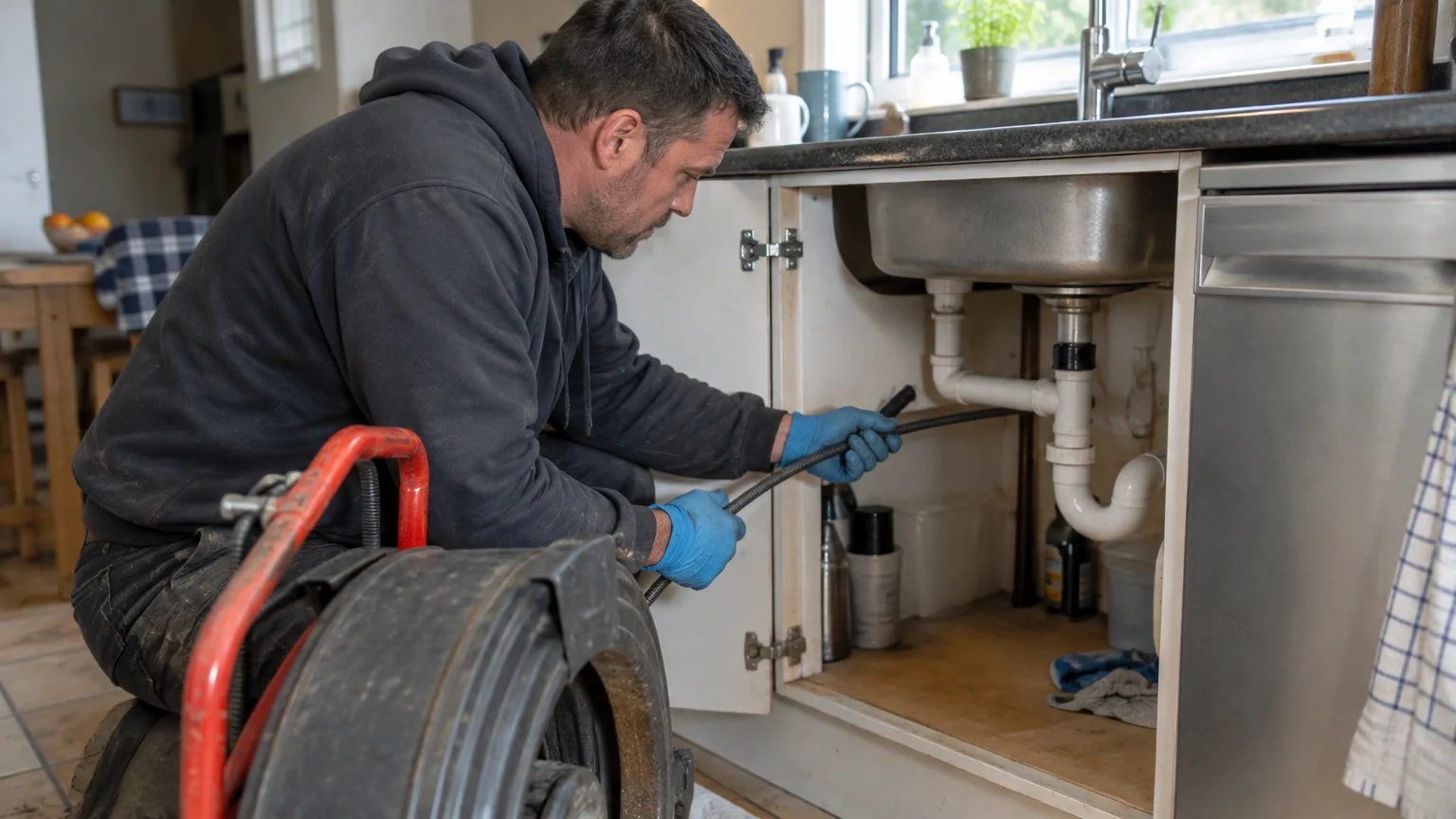
A drain snake, also called a drain auger, has a flexible cable that reaches into a pipe. It can break up a deeper clog. Forcing the cable may harm a pipe or trap, so the right tool depends on the fixture and blockage.
How standing water and slow drainage contribute to odors
Standing water often signals a partial clog or poor drainage. Note whether other fixtures drain slowly or gurgle. Several affected fixtures may point to a shared branch or main drain issue.
A bathtub that backs up with dirty water needs prompt attention. The same applies to water rising around a floor drain. Continued use may spread dirty water and harm finishes. Drain Cleaning may remove buildup, while drain repair may be needed for a damaged line.
Can a blocked or slow drain cause bad smells?
Yes. A partial clog can trap food, hair, grease, and other waste. As the waste breaks down, it can release a strong odor. A drain does not need to be fully blocked before it begins to smell.
Early signs include slow flow, gurgling, bubbling near another fixture, or an odor that returns after rinsing. A plunger may help with a simple fixture clog when used correctly. Do not use one after chemical cleaner has entered the drain.
How partial blockages trap decomposing material
A rough pipe surface, joint, bend, or buildup can catch waste. More material then sticks to that place. The wet layer gives bacteria a place to grow.
Avoid using harsh chemicals again and again. They may move a clog without removing it and can make later work unsafe. A drain snake or another professional method may work better for a stubborn clog.
Signs the problem extends into the drain line
A deeper issue is more likely when several fixtures are slow, toilets bubble, wastewater backs up, or odors return quickly. Water stains, damp soil, or a sudden drop in flow may suggest a damaged line. Older properties and recent digging need closer checks.
A professional can use safe tests to find the affected section. The answer may involve Drain Cleaning, drain repair, or vent work. The right service depends on an inspection rather than the smell alone.
How can I get rid of a bad drain smell safely?
Start with simple checks. Remove visible debris, clean the stopper or strainer, refill a dry trap, and flush the drain with warm water. Stop DIY work when there is sewage, a strong gas odor, a leak, or a clog affecting several fixtures.
- Find the source. Check each nearby fixture and note when the odor appears.
- Clean reachable parts. Remove hair, food, soap, and residue from covers and strainers.
- Refill unused traps. Slowly add clean water to fixtures that have not been used.
- Test the flow. Watch for slow drainage, bubbling, or a backup.
- Stop if the problem returns. Repeated odors often need a professional diagnosis.
Baking soda and vinegar may freshen light surface residue. They do not replace proper drain cleaning. Enzyme cleaners contain biological ingredients that may break down some organic waste over time. They may not work on grease, roots, broken pipes, or solid clogs.
Why mixing chemical drain cleaners is dangerous
Different cleaners may react and release heat, fumes, or splashes. Never mix products or add a second cleaner after the first fails. Follow the label and keep the area ventilated when safe.
If chemical cleaner has entered the drain, tell the plumber before work begins. Do not plunge or snake the drain without guidance. Chemical residue may remain in the pipe and injure anyone who opens the connection.
When should I call a plumber about a smelly drain?
Call a plumber when the odor continues, returns quickly, affects several fixtures, or comes with slow drainage, leaks, sewage, or a backup. Professional help is also needed when buildup cannot be reached safely or you do not know which product entered the drain.
Warning signs of a deeper plumbing problem
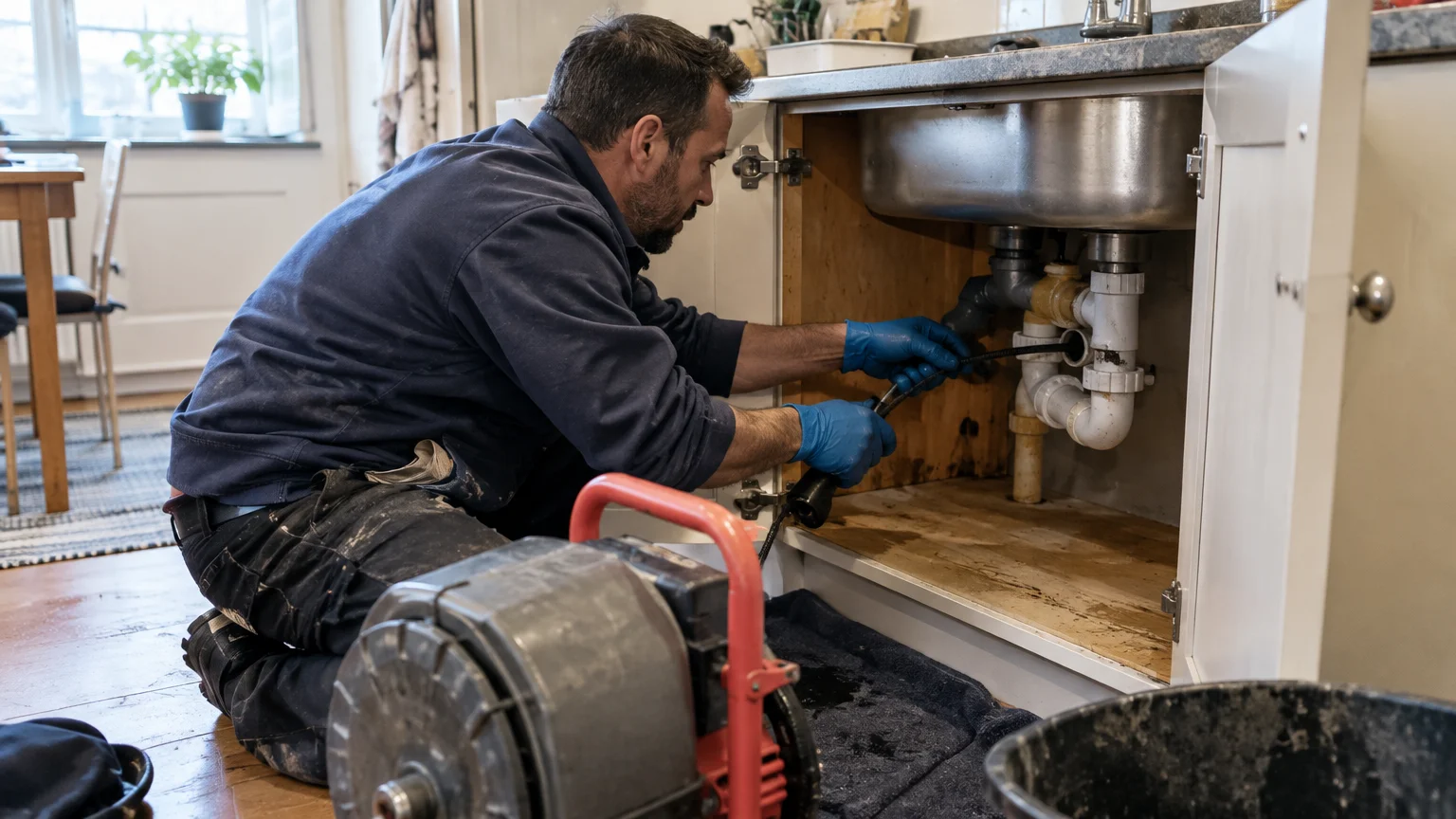
Important warning signs include gurgling toilets, water rising in a shower, wet cabinets, sewage near a floor drain, and foul smells from a wall or crawl space. A drain that smells bad after recent plumbing work also needs a careful check.
A leak can waste water and harm framing, cabinets, floors, or insulation. Check exposed pipes, shutoff valves, fixture connections, and visible stains when safe. Hidden leaks may need professional testing.
Situations requiring urgent professional attention
A burst pipe, uncontrolled leak, sewage backup, or strong rotten egg odor needs urgent attention. The main water shutoff may limit damage during a burst pipe if it is safe to reach. Never touch electricity near standing water.
Move away from a strong sewer gas odor. Avoid flames and electrical switches in the affected area. Emergency Plumbing can help with urgent leaks, backups, and other hazards. Hendersonville Plumber serves Downtown Hendersonville, Laurel Park, Flat Rock, Fletcher, Mills River, Etowah, and nearby areas.
How can I prevent drain smells from coming back?
Regular cleaning, careful use, and early repairs help prevent recurring odors. Run water from time to time in guest sinks, floor drains, and rarely used showers. Strainers can keep food and hair out of the pipes.
Keep grease, oil, coffee grounds, wipes, and food scraps out of kitchen drains. Clean bathroom stoppers and remove hair before it enters the pipe. Do not treat a garbage disposal like a food waste bin.
Routine drain maintenance for homes and businesses
A simple maintenance check can include:
- Cleaning sink strainers, stoppers, and disposal splash guards.
- Checking exposed traps and connections for moisture or corrosion.
- Running water in rarely used fixtures to protect trap seals.
- Watching for slow flow, gurgling, bubbling, and repeat odors.
- Keeping notes about repairs, clogs, and unusual changes.
Businesses should assign care for kitchens, restrooms, utility rooms, and floor drains. Staff should know what cannot enter each drain. Early reports can keep a small fixture issue from affecting more of the property.
What property owners should check after plumbing work
After a repair, run each affected fixture and check the connections. Look under sinks, around toilets, near water heaters, and beside access panels. Report any new leak, odor, or change in flow quickly.
Make sure drain covers, cleanouts, traps, and seals are secure. Tenants should report repeated smells or backups. Fast reporting helps protect the building and arrange the right service.
Frequently Asked Questions
Why does one drain smell bad but the others do not?
One smelly drain usually has a local cause, such as buildup, a dry P-trap, or a small clog. Clean reachable parts and refill the trap if the fixture is rarely used. If the odor returns, the trap, vent, connection, or branch line may need a professional check.
Does baking soda and vinegar clean a smelly drain?
Baking soda and vinegar may reduce light surface residue, but they cannot fix every cause. They will not repair a cracked pipe, refill a faulty trap, clear every deep clog, or correct a vent problem. Never mix them with chemical drain cleaners or other products.
Is a rotten egg smell from a drain dangerous?
A rotten egg smell may indicate sewer gas or another plumbing problem. Strong odors, headaches, dizziness, nausea, or several affected fixtures need prompt attention. Avoid flames, leave the area if needed, ventilate only when safe, and seek professional guidance.
Can a plumbing snake clear a smelly drain?
A plumbing snake may clear hair, grease, or other material from a reachable clog. It cannot correct every cause of an odor. A damaged pipe, blocked vent, failed seal, or main line problem needs proper diagnosis. Forcing a snake may damage some systems.
Why does a drain smell bad after cleaning?
The smell may return because buildup remains deeper in the pipe, the P-trap is dry, or sewer gas enters through a faulty seal or vent. Several slow fixtures point to a shared problem. A repeated odor should be checked instead of treated with stronger chemicals.
Key takeaways
- A bad drain smell often comes from buildup, a dry P-trap, or sewer gas.
- Hair, food, grease, soap, and standing water can create local odors.
- Homeowners can clean reachable parts and refill unused traps safely.
- Chemical drain cleaners should never be mixed or used carelessly.
- Persistent odors, backups, leaks, and several affected fixtures need professional help.
Conclusion
A drain that smells bad may warn that waste, water, or sewer gas is trapped in the plumbing system. Simple cleaning may solve local buildup. A dry P-trap may only need water, but a repeated odor can point to a leak, blocked vent, damaged seal, or deeper drain fault.
Homeowners, tenants, and business owners should watch for slow flow, gurgling, standing water, backups, and odors from more than one fixture. Do not cover these signs with stronger chemicals. Hendersonville Plumber can help property owners choose a safe next step for drain cleaning, drain repair, or urgent plumbing work. Contact us when a smelly drain persists or needs professional attention.